HVAC Tips
Los Altos Ductless AC Installation: Cooling Solutions for Homes Without Existing Ductwork
Adding Air Conditioning to a Home Without Ductwork
Many older homes in Los Altos were built without central air conditioning ducts, but that doesn't mean homeowners have to settle for uncomfortable summers. Today's ductless mini-split systems and high-velocity mini-duct systems make it possible to enjoy efficient, whole-home cooling without major remodeling.
Whether you're replacing outdated window units, upgrading an older property, or adding cooling to a home that has never had air conditioning, there are modern solutions that provide excellent comfort, energy efficiency, and flexible installation options.
In this guide, we'll explain the best air conditioning systems for homes without existing ductwork, how the installation process works, expected costs, and how to choose the right system for your home and budget.
Best Air Conditioning Options for Homes Without Ducts
When installing air conditioning in a home without existing ductwork, homeowners generally have two primary options.
Ductless Mini-Split Systems
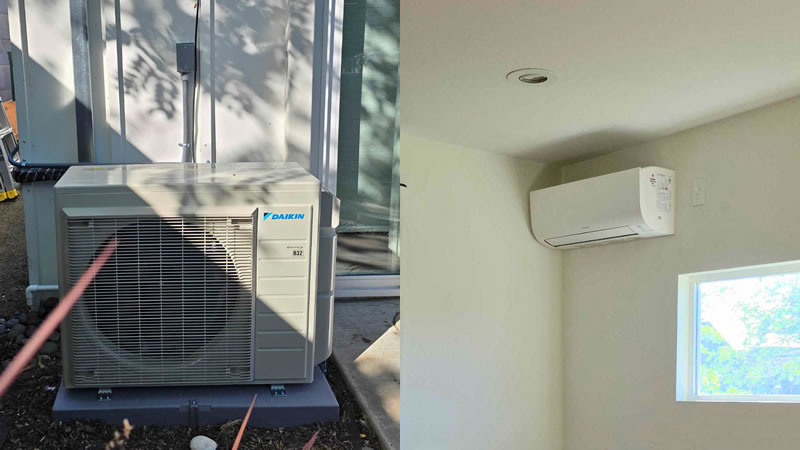
Ductless mini-split systems use an outdoor heat pump connected to one or more indoor air handlers. Each indoor unit can control the temperature in a specific room or zone, allowing for customized comfort throughout the home.
Benefits include:
- Energy-efficient heating and cooling
- Individual room temperature control
- Quiet operation
- Minimal wall modifications
- Excellent solution for additions, ADUs, and older homes
High-Velocity Mini-Duct Systems
For homeowners who prefer a more traditional central air appearance, high-velocity mini-duct systems may be the ideal solution.
These systems utilize small flexible ducts that can be routed through attics, closets, and wall cavities with minimal disruption. Small circular outlets blend seamlessly into ceilings, walls, or floors.
Advantages include:
- Nearly invisible air distribution
- Consistent whole-home cooling
- Less invasive than traditional ductwork
- Great option for historic and architecturally sensitive homes
High-velocity systems are often selected when preserving the home's appearance is a top priority.
Why Proper System Design Matters
The success of any ductless or mini-duct installation starts long before equipment arrives at your home.
At Upgrade Home Services, every project begins with a comprehensive evaluation that includes:
Manual J Load Calculation
Proper sizing is critical.
A Manual J calculation evaluates:
- Home size
- Window placement
- Insulation levels
- Sun exposure
- Occupancy
- Building construction
An oversized system can cycle too frequently, increase utility costs, and reduce comfort. An undersized system may struggle to maintain desired temperatures during Bay Area heat waves.
Room-by-Room Comfort Planning
Every home has unique comfort challenges.
We identify:
- Rooms that receive excessive afternoon sun
- Areas with poor airflow
- Home offices requiring separate temperature control
- Multi-story temperature differences
This allows us to create a customized zoning strategy that maximizes comfort while minimizing energy consumption.
Electrical System Evaluation
Modern heat pump systems require dedicated electrical circuits and proper breaker sizing.
Before installation, we verify:
- Available electrical panel capacity
- Existing wiring conditions
- Disconnect placement
- Surge protection requirements
Planning these details ahead of time helps prevent delays and unexpected expenses during installation.
Ductless Mini-Split Installation Process
Professional ductless installation is efficient and far less disruptive than many homeowners expect.
Step 1: Home Assessment
We evaluate cooling requirements, equipment placement, airflow needs, and routing options for refrigerant lines and condensate drains.
Step 2: Indoor Unit Installation
Indoor air handlers are mounted securely and positioned for optimal airflow and appearance.
Step 3: Line Set Installation
Refrigerant lines, communication wiring, and condensate drains are routed through a small wall penetration and protected with clean, professional line-set covers.
Step 4: Outdoor Unit Placement
The heat pump condenser is installed on a properly leveled pad or mounting bracket with required service clearances.
Step 5: System Testing and Commissioning
Before completion, we:
- Pressure test refrigerant lines
- Evacuate the system
- Verify refrigerant charge
- Test airflow
- Confirm thermostat operation
- Inspect drainage systems
Finally, we provide a complete homeowner walkthrough and maintenance recommendations.
High-Velocity Mini-Duct Installation Process
For homeowners seeking a traditional central air experience, high-velocity systems provide excellent performance with minimal construction.
The process typically includes:
- Installing a compact air handler
- Routing small-diameter flexible ductwork
- Adding discreet supply outlets
- Creating properly sized return air pathways
- Connecting refrigerant and electrical components
- Balancing airflow throughout the home
Because the ducts are much smaller than traditional HVAC ductwork, installation is often possible without significant drywall removal or structural modifications.
Schedule Your Free AC Installation Estimate
If you are planning a new ac installation project, Upgrade Home Services is ready to help. Our team provides professional service, honest recommendations, and solutions tailored to your home.
Schedule Service Today



