HVAC Tips
How Much Does AC Compressor Replacement Cost in 2026? Bay Area Guide
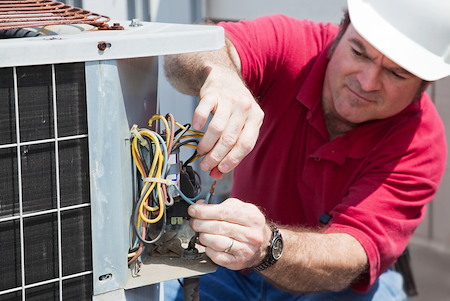
When your air conditioner suddenly stops cooling, one of the first concerns is the cost of replacing the compressor. Since the compressor is the core component of your system, this type of repair can be significant. The good news is that with proper diagnosis and the right contractor, you can make a well-informed and cost-effective decision. This guide breaks down typical pricing in the Bay Area, when to repair versus replace, and how to avoid unnecessary expenses.
Understanding the Role of the AC Compressor
The compressor is responsible for circulating refrigerant and removing heat from your home. When it begins to fail, you may notice warm air, frequent cycling, tripped breakers, or unusual noises like humming or clicking.
In many Bay Area homes, compressor issues are often linked to underlying problems such as dirty coils, restricted airflow from clogged filters, low refrigerant due to leaks, failing electrical components, or power fluctuations. It is important to note that not every cooling issue means a failed compressor. Sometimes, a simple part like a capacitor can cause similar symptoms at a much lower cost. Proper testing should always come first.
Average Compressor Replacement Cost
Compressor replacement is one of the more expensive AC repairs, especially in regions like the Bay Area where labor costs and access challenges are higher.
For most residential systems, homeowners can expect:
- Compressor unit only: around $900 to $2,500
- Total installed cost: typically $2,200 to $5,500
- Heat pump compressor replacement: about $2,800 to $6,500 installed
Final pricing depends on factors such as system size, refrigerant type, warranty coverage, and accessibility. Homes with rooftop units or tight outdoor spaces may require additional labor, which increases costs.
Key Factors That Affect Pricing
A detailed estimate should clearly outline what is included. Important cost components often include the type of compressor, refrigerant requirements, labor conditions, and supporting parts like capacitors or contactors.
Proper commissioning is also critical. This includes testing refrigerant levels, checking system performance, and ensuring everything is operating within manufacturer specifications. A transparent quote makes it easier to compare options and avoid hidden costs.
Repair or Replace: Making the Right Choice
Before committing to a compressor replacement, a full diagnostic is essential. In some cases, the issue may be resolved with a much smaller repair.
Replacing the compressor is usually recommended when there is confirmed internal failure, such as seized components or electrical damage. It may also make sense if the system uses outdated refrigerant or if repair costs approach half the price of a new unit.
On the other hand, repair is often the better option if the system is still relatively new, under warranty, and the issue is limited to external components.
If the unit is older, inefficient, or experiencing repeated problems, replacing the entire system may offer better long-term value.
How Warranty and System Type Impact Cost
Warranty coverage can significantly reduce expenses. Many manufacturers offer up to 10 years of parts coverage if the system is properly registered. Without registration, coverage may be shorter.
System design also plays a role. Variable-speed or inverter systems tend to cost more due to specialized parts and more complex setup requirements.
Refrigerant Considerations
The type of refrigerant used in your system can heavily influence repair costs. Older systems that use R-22 refrigerant are more expensive to service because it is no longer produced. In these cases, replacing the entire unit is often more practical.
Newer systems typically use R-410A, which is more widely available, although pricing may fluctuate as regulations evolve.
What a Proper Diagnosis Looks Like
A qualified technician should follow a structured process rather than guessing. This includes checking for visible leaks, testing electrical components, evaluating refrigerant levels, and verifying overall system performance.
Accurate diagnostics protect you from unnecessary replacements and ensure that the real issue is addressed.
Labor vs. Parts Breakdown
In most cases, the majority of the cost comes from the compressor itself, while labor makes up a smaller portion depending on job complexity. Refrigerant and additional materials can also affect the total.
Waulity workmanship matters. Proper installation practices, such as using a filter drier, pulling a deep vacuum, and verifying system performance, help extend the life of the new compressor.
Timeline for Replacement
Many compressor replacements can be completed within the same day, typically taking three to six hours on-site. More complex installations, such as heat pumps or difficult access locations, may take longer or require additional scheduling.
Ways to Save on Costs
Homeowners can reduce expenses by confirming warranty coverage, addressing minor issues early, and maintaining their system regularly. Simple steps like replacing filters, cleaning coils, and scheduling annual tune-ups can prevent major failures.
Comparing detailed quotes rather than choosing the lowest price is also important. A lower bid may exclude essential steps that protect your investment.
Local Considerations in the Bay Area
Cliamte and housing conditions in the Bay Area can affect system performance. Warmer inland areas often place more strain on AC units, while access restrictions in certain neighborhoods can impact labor time.
Permit requirements and local regulations may also apply depending on the scope of work.
Choosing the Right Contractor
Selecting a licensed and experienced HVAC professional is essential for a repair of this scale. Look for clear documentation, proper licensing, and a company that explains both repair and replacement options without pressure.
A reliable contractor will provide detailed diagnostics, transparent pricing, and recommendations based on your system's actual condition.
Typical Repair Scenarios
Costs vary depending on the issue. Minor electrical component replacements are usually inexpensive and quick to fix. Refrigerant leaks may fall in the mid-range, depending on severity. Full compressor replacements represent the higher end of the spectrum, especially for advanced systems or challenging installations.
Preventing Future Compressor Issues
Routine maintenance plays a major role in extending compressor life. Keeping filters clean, ensuring proper airflor, maintaining outdoor unit clearance, and scheduling professional tune-ups all help reduce strain on the system.
A well-maintained AC runs more efficiently, uses less energy, and lasts longer.
What to Expect During Service
During a compressor replacement, technicians typically protect the work area, safely recover refrigerant, install the new component, and test the system thoroughly. After completion, you should receive a summary of the work along with maintenance recommendations.
When a Full System Upgrade Makes Sense
Sometimes replacing the compressor is not the most practical option. If your system is older, inefficient, or requires frequent repairs, upgrading to a new unit may provide better comfort and lower operating costs over time.
Final Thoughts
Understanding the cost of AC compressor replacement helps you make confident decisions. In the Bay Area, most replacements fall between $2,200 and $5,500, depending on several factors. The key is to confirm the diagnosis, review a detailed estimate, and choose a contractor who prioritizes proper installation and long-term performance.
With the right approach, you can restore comfort to your home while protecting your investment for years to come.
Schedule Your Free HVAC Estimate
If you are planning a new hvac project, Upgrade Home Services is ready to help. Our team provides professional service, honest recommendations, and solutions tailored to your home.
Schedule Service Today



