HVAC Tips
Duct Sealing in Fremont, CA
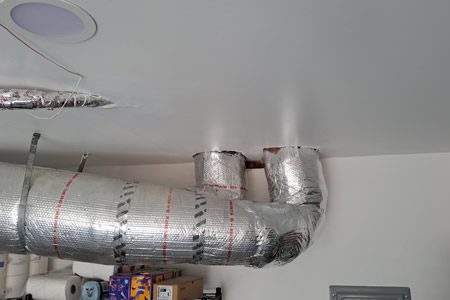
If your home has uneven temperatures, rising energy bills, or dusty vents, your ductwork could be the hidden problem. Leaky ducts allow conditioned air to escape before it reaches your living spaces, forcing your HVAC system to work harder than necessary. For homeowners in Fremont and the South Bay, proper duct sealing is one of the most effective ways to boost comfort and efficiency.
In this guide, we’ll walk through three reliable duct sealing methods, how they work, and when it’s best to handle the job yourself or call a professional.
Why Duct Sealing Is Important
Duct leaks can significantly impact your HVAC system’s performance. When ducts run through hot attics or crawlspaces, even small gaps can pull in unconditioned air and push cooled air out.
Many homes lose up to 20–30% of airflow due to duct leaks. In warmer areas like Fremont, this can quickly lead to higher utility costs and reduced comfort.
Common signs of duct leakage include:
- Uneven temperatures between rooms
- Higher energy bills without increased usage
- Dust buildup around vents
- Whistling or noisy airflow
Sealing these leaks helps your system deliver air more efficiently and keeps indoor air cleaner.
Method 1: Mastic Sealant with Fiber Mesh
Mastic is a durable, paint-on sealant commonly used for long-lasting duct repairs. When combined with fiber mesh, it creates a strong seal that can handle temperature changes and vibration.
Best for:
- Metal duct seams
- Ductboard connections
- Flex-to-metal joints
How it works:
The surface is cleaned, joints are secured, and mastic is applied over seams. For larger gaps, mesh is embedded before adding another layer.
Why it works well:
Mastic provides a long-lasting seal and performs especially well on uneven surfaces.
Method 2: UL 181 Foil Tape
Not all duct tape is suitable for HVAC systems. UL 181-rated foil tape is specifically designed for sealing ducts and can provide a strong, clean seal when applied correctly.
Best for:
- Straight, clean duct seams
- Reinforcing connections
- Flex duct liner attachments
Application tips:
Surfaces must be clean and dry. The tape should be firmly pressed to remove air bubbles and ensure a tight bond.
Key advantage:
It’s quick to apply and effective for smaller gaps and smooth surfaces.
Method 3: Aerosol Duct Sealing
For ducts that are hard to reach, aerosol sealing offers an advanced solution. This method uses a pressurized system to push sealant particles through the ductwork, automatically sealing small leaks from the inside.
Best for:
- Hidden or inaccessible ducts
- Multiple small leaks
- Older systems with widespread air loss
How it works:
The system is pressurized, and sealant particles are released into the airflow. These particles collect at leak points and seal them over time.
Why choose this method:
It can seal areas that manual methods cannot reach and provides measurable results.
Common Areas That Need Sealing
Even well-installed systems can have problem spots. Some of the most overlooked areas include:
- Gaps between vents and drywall
- Air handler or furnace cabinet seams
- Return air leaks near filter racks
- Older wall cavity returns
Addressing these areas can significantly improve airflow and indoor air quality.
Duct Sealing vs. Duct Replacement
Sealing works well when your duct system is generally in good condition. However, replacement may be a better option if:
- Ducts are damaged, crushed, or disconnected
- Airflow issues persist after sealing
- The system is poorly designed or undersized
A properly designed duct system ensures better performance and long-term comfort.
DIY or Professional Service?
Some minor sealing tasks can be handled by homeowners, such as sealing visible joints or gaps around vents. However, professional service is recommended when:
- Leaks are widespread or hard to access
- Ducts are located in attics or crawlspaces
- You want verified results through pressure testing
Professional sealing ensures the job is done correctly and delivers measurable improvements.
Cost and Value
The cost of duct sealing depends on the size of your home, duct condition, and accessibility. Manual sealing is typically more affordable, while advanced methods like aerosol sealing involve higher upfront costs but can address deeper issues.
The payoff often includes:
- Lower energy bills
- Improved airflow and comfort
- Reduced system wear and tear
- Better indoor air quality
Signs You Should Consider Duct Sealing
You may benefit from duct sealing if you notice:
- Rooms that are consistently warmer or cooler
- High energy bills despite normal usage
- Weak airflow in certain areas
- Excess dust or musty odors
These are strong indicators that air is being lost within your duct system.
Final Thoughts
Duct sealing is one of the most effective ways to improve HVAC efficiency and home comfort. Whether you choose mastic, foil tape, or advanced aerosol sealing, the key is proper application and verification.
For homeowners in Fremont and nearby areas, addressing duct leaks can lead to noticeable improvements in both comfort and energy savings.
Get a Free Duct Sealing Estimate
Upgrade Home Services offers professional duct sealing, repair, and replacement throughout Fremont and the South Bay.
Call 408-649-3198 or visit our contact page to schedule your free estimate today.
Schedule Your Free HVAC Estimate
If you are planning a new hvac project, Upgrade Home Services is ready to help. Our team provides professional service, honest recommendations, and solutions tailored to your home.
Schedule Service Today



